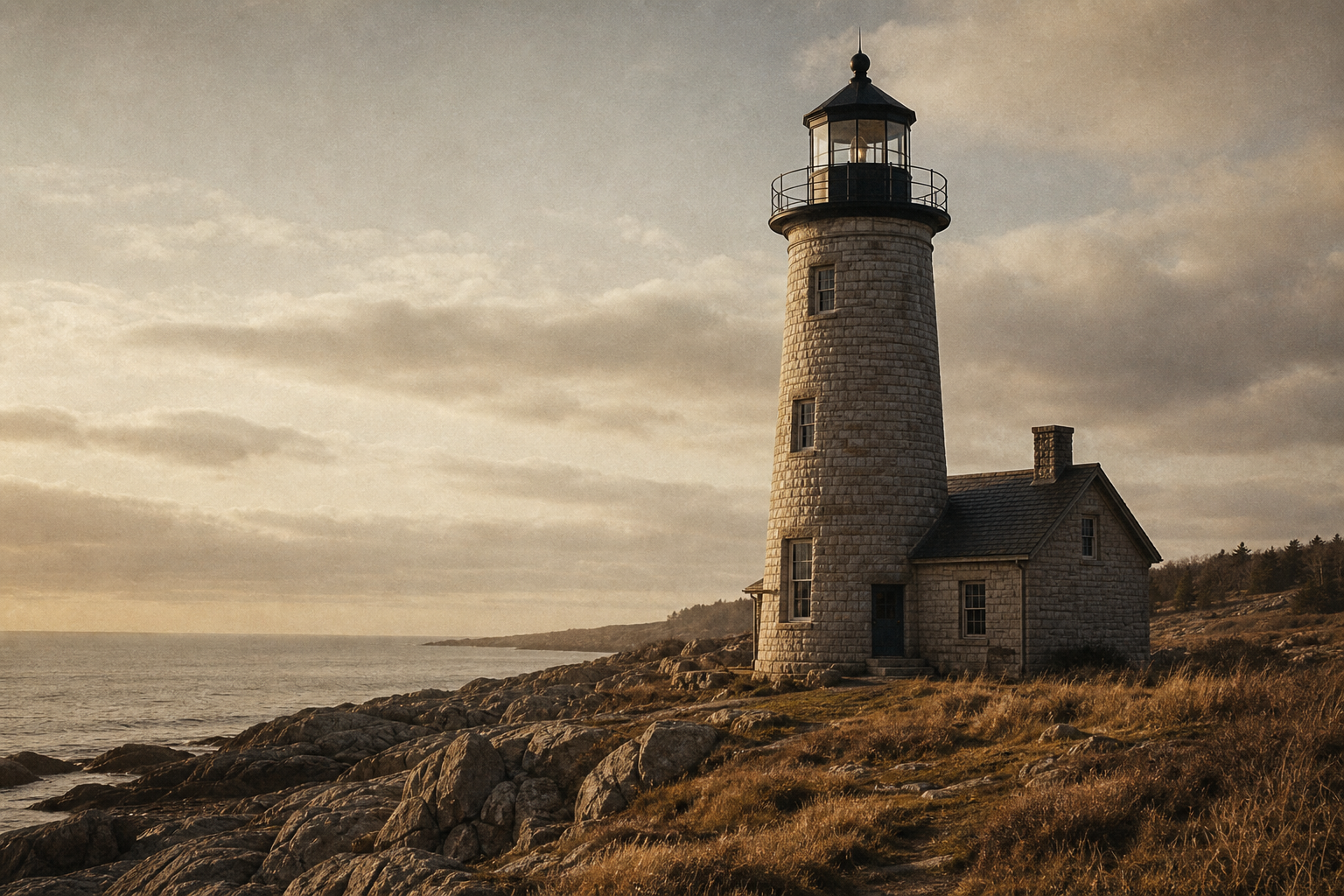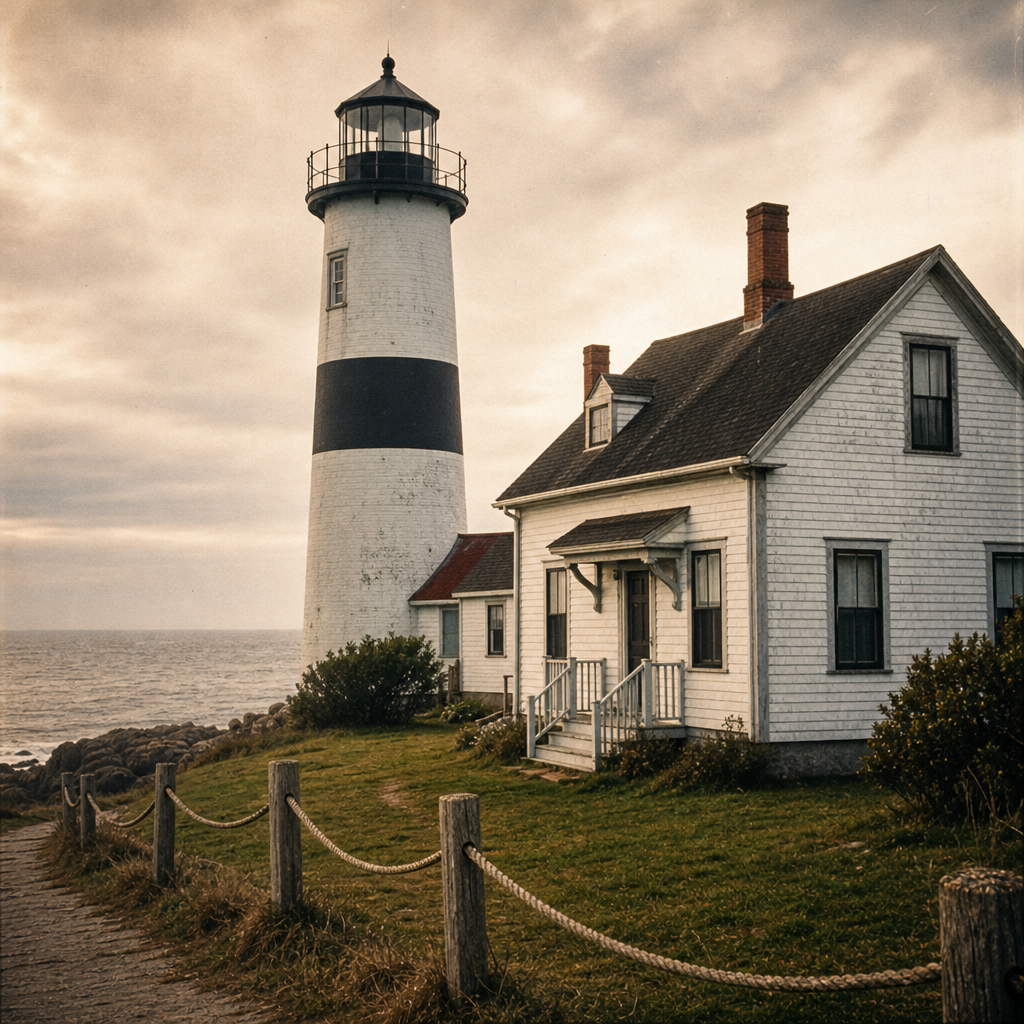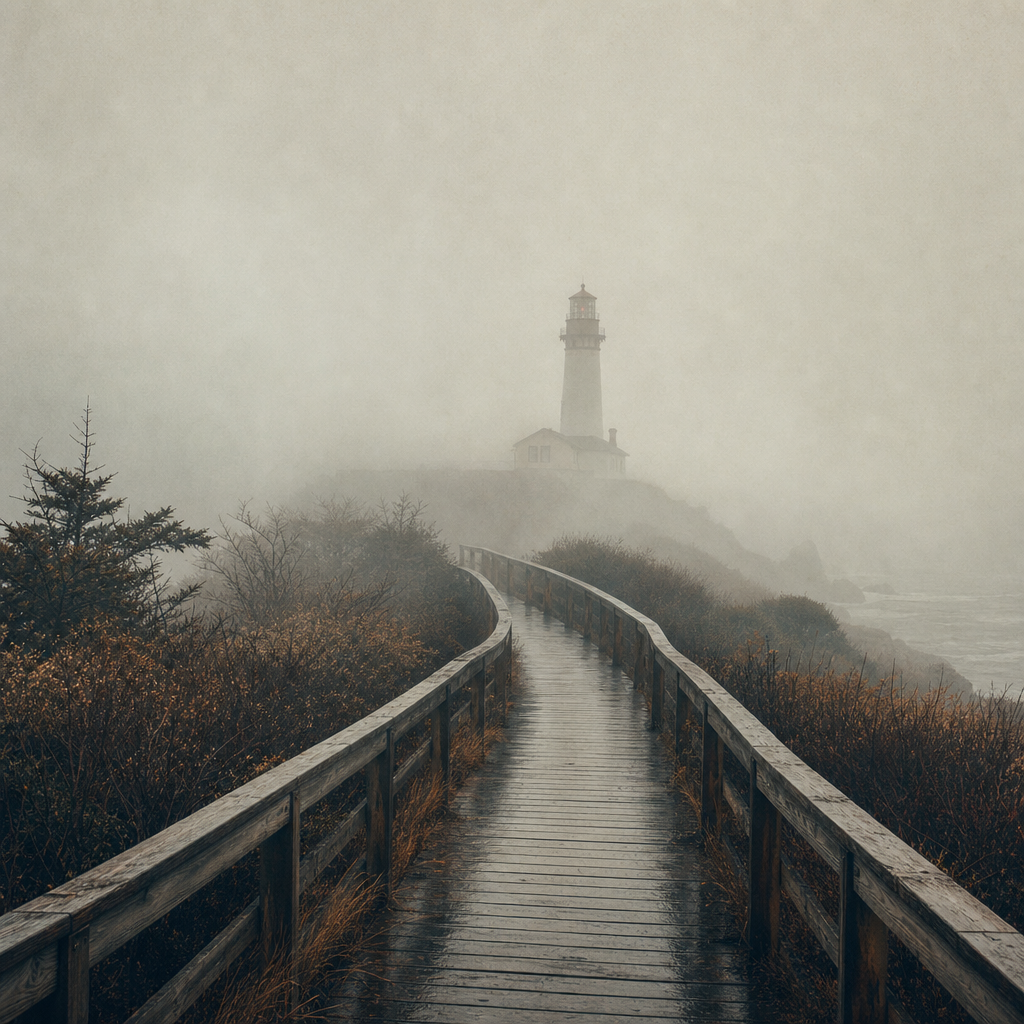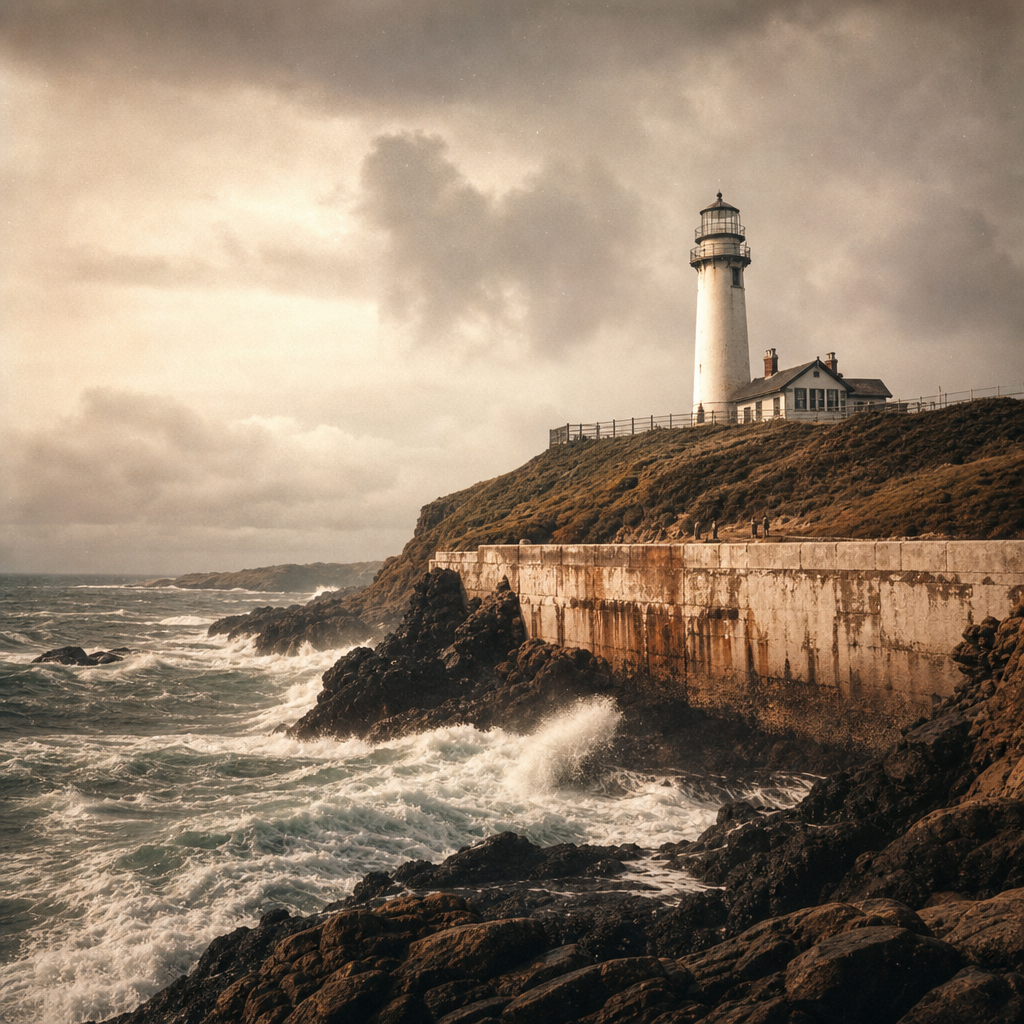
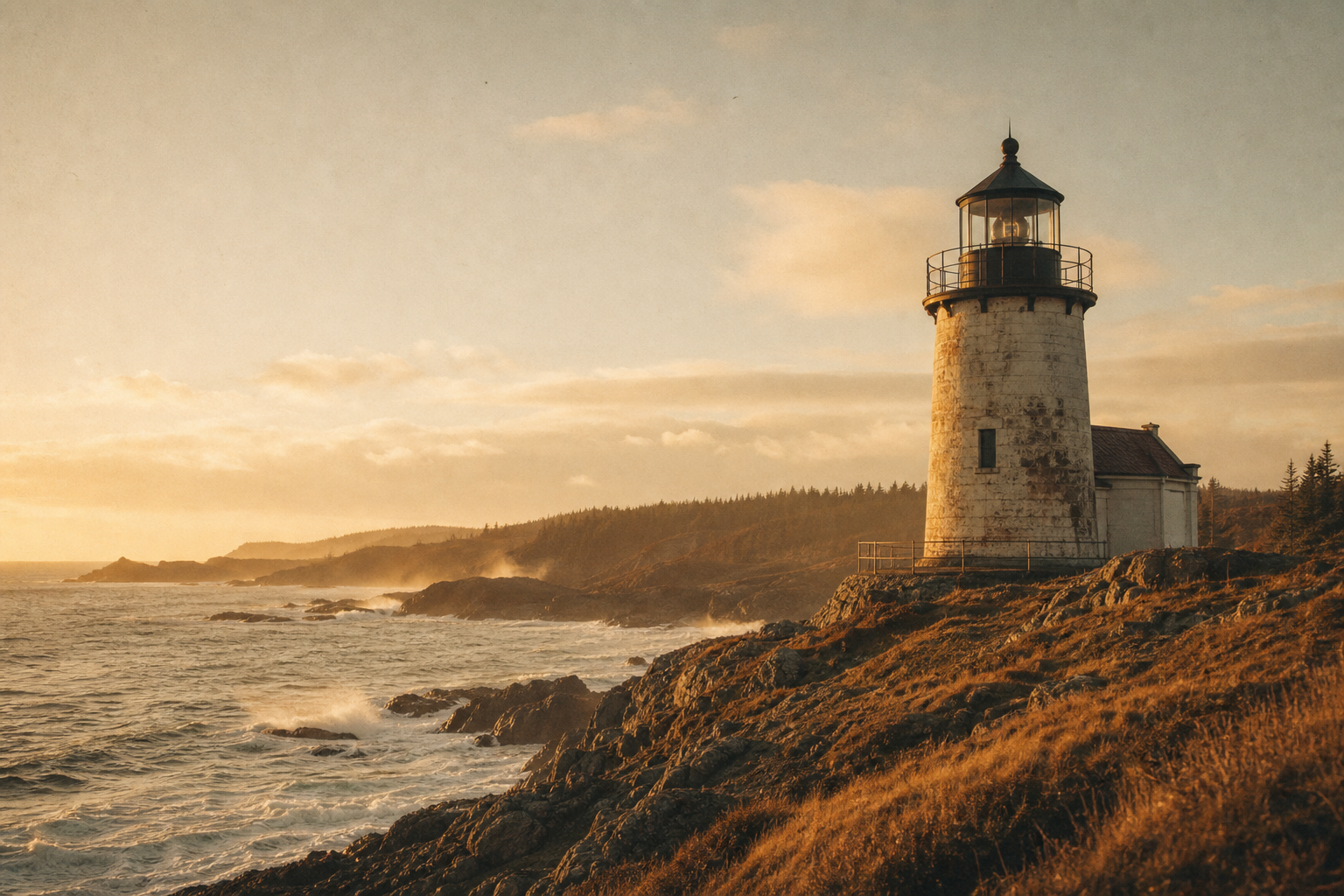
Weathered northern-coast lighthouse on a rugged shoreline at warm golden-hour light with rolling sea haze
Northern Coast Archive

Where beacons, keepers, and coastlines hold memory.

Browse archive photography, keeper recollections, and preserved tower records from the northern shore.

  • Archival Photography
  • Keeper Accounts
  • Preserved Sites

Historical Introduction

Why northern coast lighthouses became essential landmarks

Along this coast, lighthouse stations were practical tools before they became heritage symbols—built to answer dangerous waters, guide working vessels, and anchor communities that depended on safe passage.
01 · Waters

Navigational hazards

Reefs, shifting sandbars, winter fog, and narrow approaches made this shoreline one of the region’s most difficult routes for coastal shipping.

02 · Expansion

Spread of construction

From isolated capes to harbor mouths, towers were established in phases, creating a connected chain of lights across the northern edge.

03 · Station life

Daily role of beacons

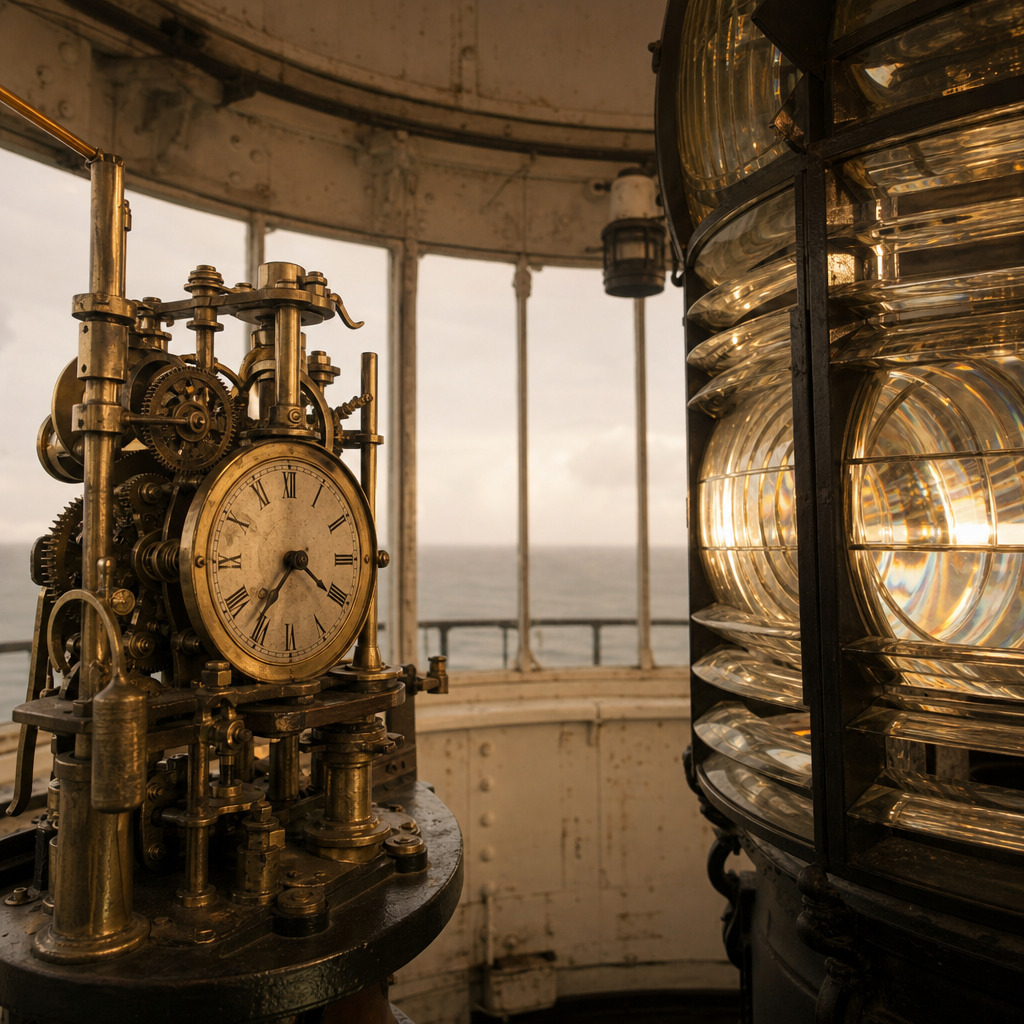
Keepers trimmed lamps, maintained lenses, tracked weather, and signaled vessels—routine work that turned distant towers into dependable guides.

04 · Today

Why preservation matters

Surviving towers hold technical history and local memory; preserving them keeps maritime knowledge visible for classrooms, communities, and future visitors.

Archive sources and preservation records

  • Northern Maritime Collection
  • County Historical Records
  • Regional Museum Archive
  • Lighthouse Restoration Notes
  • Coastal Survey Register
  • Northern Lighthouse Society Papers

Keeper Stories

Lives behind the lantern glass

These station notes follow weather logs, domestic routines, and handwritten records to show how lighthouse duty was lived day by day along the northern coast.

Continue through the stories
Lead Story

Storm Watch at Black Head, 1897

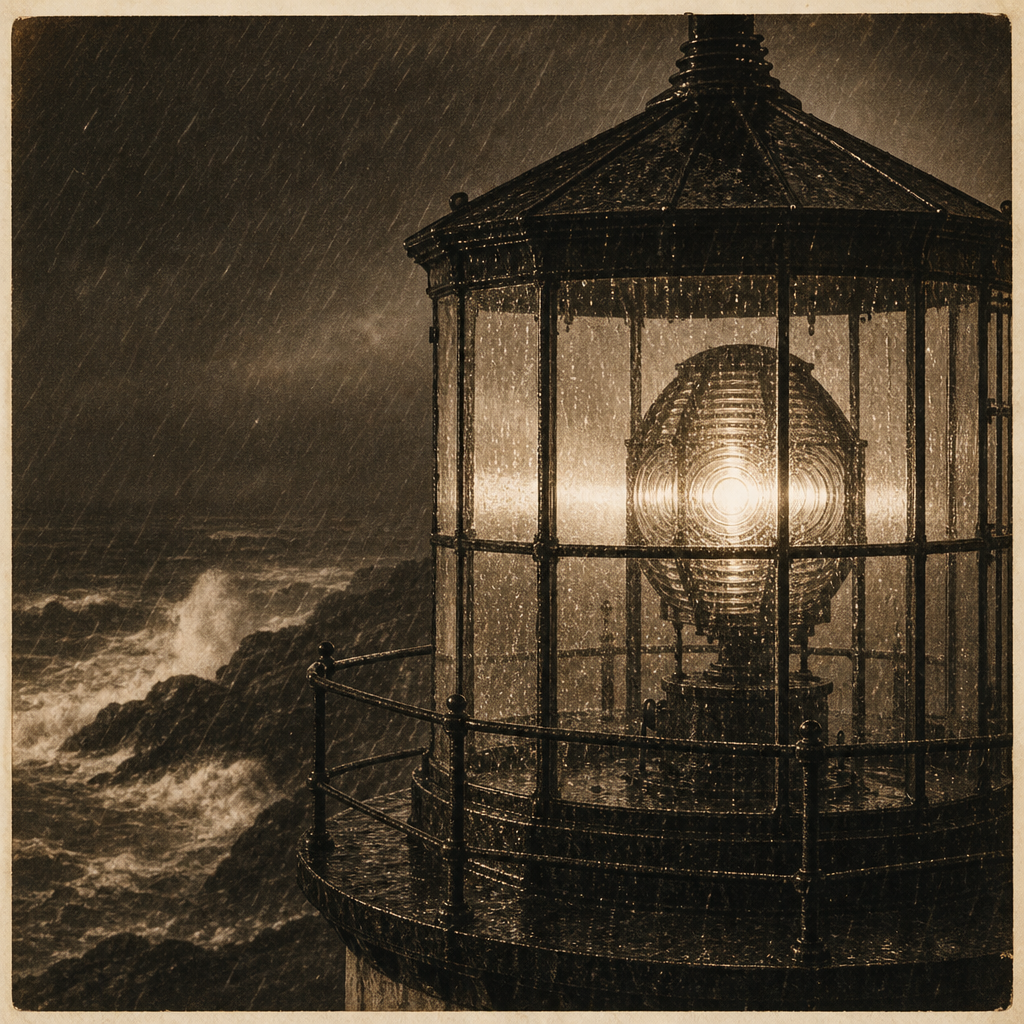
During gale nights, Keeper Elinor Pratt marked each beacon check by the minute, crossing the catwalk in wind strong enough to rattle window latches across the station.

“The sea struck the tower in waves of sound before it reached us in spray.”
Sepia archival-style inset of a lighthouse lantern room in heavy rain and wind
Lantern note, October watch log
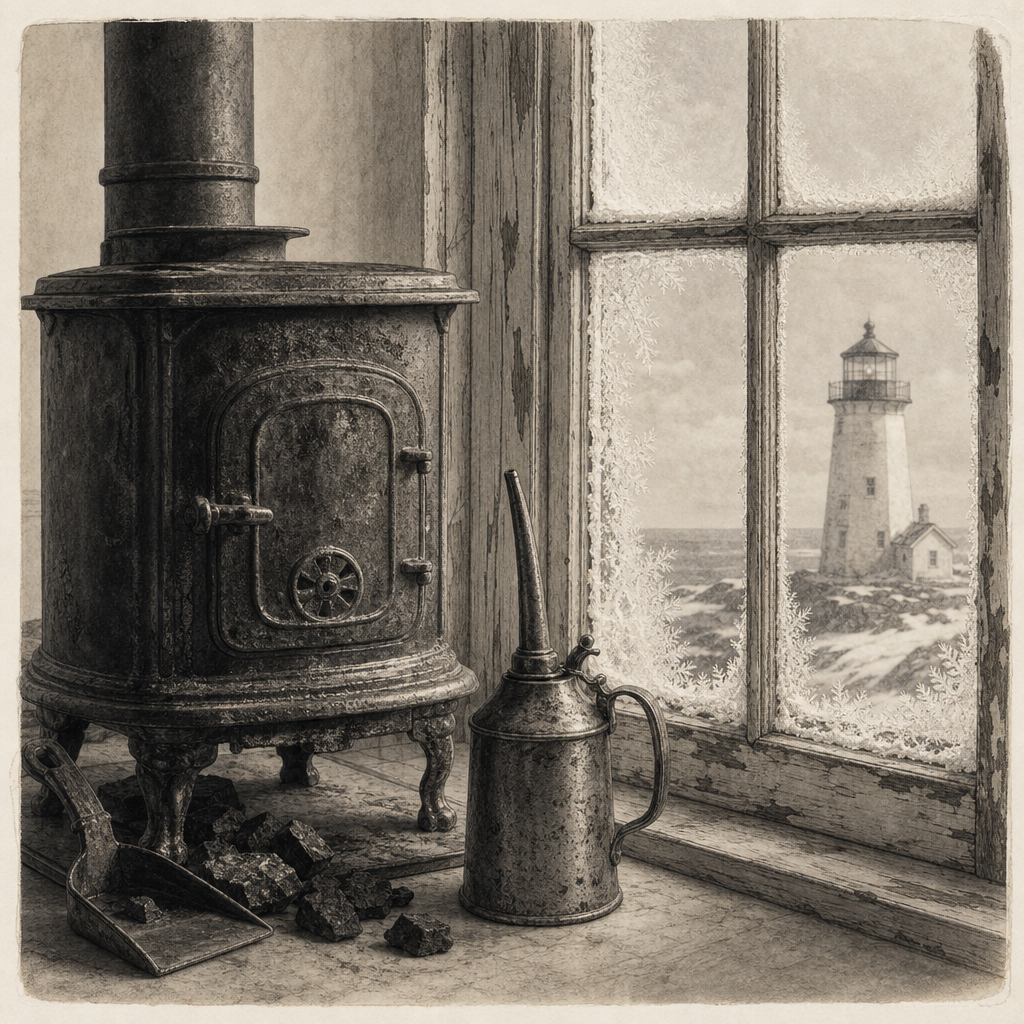
Winter Routine
Small monochrome archival motif of a coal stove, oil can, and snow-frosted lighthouse window

Ice, Wicks, and Morning Rounds

Before dawn, the stairwell was salted, lamp wicks trimmed, and frost scraped from the gallery rail before schoolchildren crossed the point below.

“Warm tea was as vital as kerosene by January.”
Family & Records
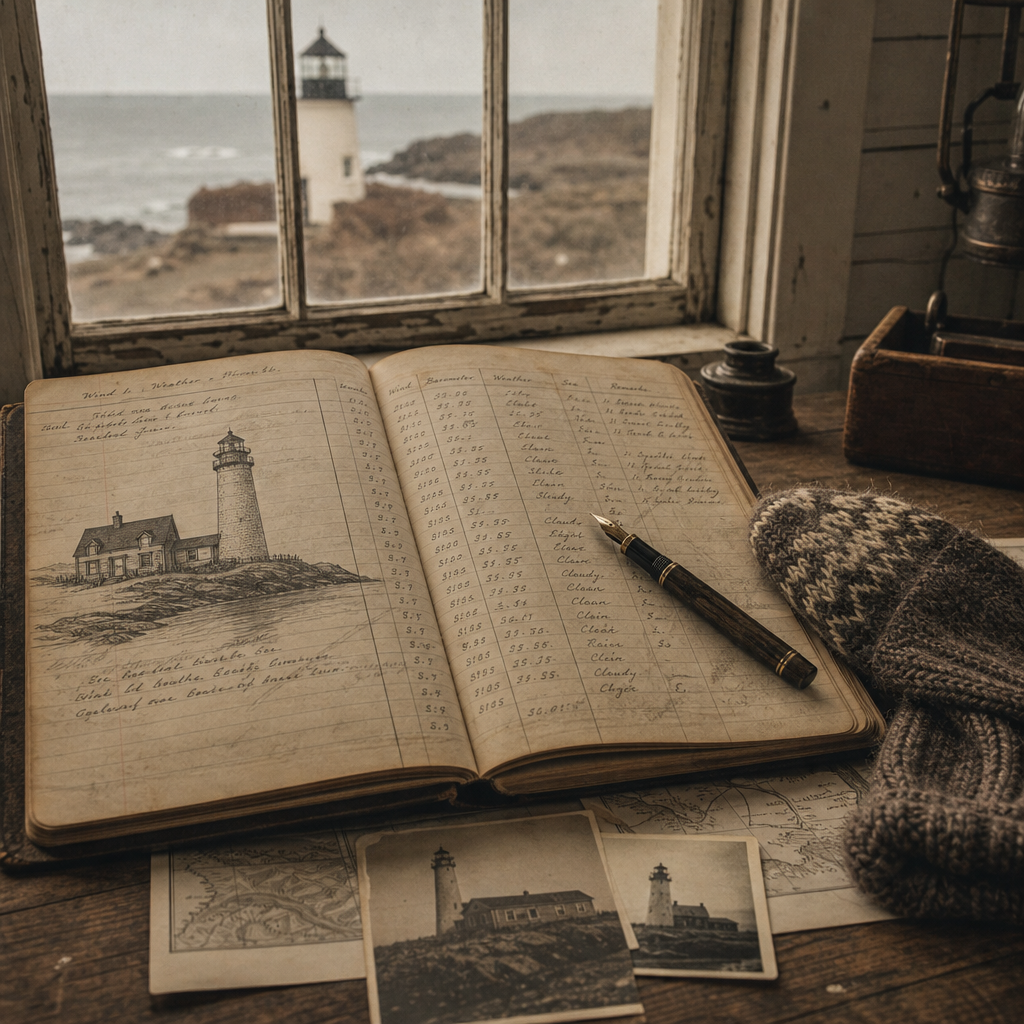
Archival sketch-like insert showing an open ledger book, fountain pen, and a child’s mitten on a table

Ledger Evenings at North Spit

At isolated stations, evening entries tracked weather, supplies, and family milestones in the same logbook—birthdays beside barometer drops and repair notes.

“Ink froze once; the entry finished beside the stove.”

Chronological reference

Northern coast lighthouse history in sequence

A compact timeline connecting early signaling practices, tower building, changing keeper life, and today’s preservation work.

  1. 1780–1835

    Harbor communities relied on timber beacons and open braziers to mark reefs and shallow approaches.

  2. 1836–1895

    Permanent masonry towers and standardized lantern rooms expanded into a dependable coastal chain.

  3. 1896–1978

    Electric systems and automation reduced resident crews as keeper duties shifted toward oversight and upkeep.

  4. 1979–Present

    Preservation groups restored surviving stations as heritage landmarks, learning sites, and shared community memory.

Preserved towers map

Where the northern lights still stand along the coast

A chart-style overview of preserved stations, with quick notes to connect each beacon to its shoreline character and present condition.

Preservation FAQ

What survives, what changed, and what the archive can confirm

Plain answers about access, restoration, loss, and the records behind northern coast lighthouse history.

What does “preserved” mean in this archive?
It means a tower remains standing with documented historic significance, even if parts were repaired, replaced, or no longer active as navigation aids.
Can all preserved towers be visited?
No. Some sites are open seasonally, some are view-only from public paths, and others are closed because of safety limits, erosion, or active restoration work.
Why did some northern coast towers disappear?
Storm damage, shoreline movement, war-era dismantling, and modernization all contributed; in several cases, surviving records are all that remain.
How does restoration balance safety and historic fabric?
Teams stabilize structure first, then retain original masonry, ironwork, and layout where possible, documenting any necessary replacement for long-term transparency.
What do surviving records tell us about keeper life?
Logbooks, weather notes, supply lists, and family correspondence show routine discipline, isolation, and close ties between stations and nearby fishing communities.